Table Of Content
With endless choices, it can be helpful to have a dermatologist guide you in selecting one. It’s essential that you not become pregnant while taking spironolactone. To prevent pregnancy, your dermatologist will also prescribe a birth control pill if it’s possible for you to get pregnant.
Prevention
But your doctor can check for underlying problems like thyroid disorders or nutrient deficiencies. It’s best to see a healthcare professional for any unexplained hair loss so they can determine the underlying cause and best course of treatment. There’s a range of treatment options for hair loss, but the best option for you will depend on what’s causing your hair loss. This type of hair loss typically resolves on its own once the underlying cause is addressed. In the most common type of permanent hair loss, only the top of the head is affected. Hair transplant, or restoration surgery, can make the most of the hair you have left.
Can alopecia areata go away?
This Is How Much Hair Loss Is Normal—and What's Not, According to Experts - Prevention Magazine
This Is How Much Hair Loss Is Normal—and What's Not, According to Experts.
Posted: Tue, 28 Nov 2023 08:00:00 GMT [source]
People who are constantly under a lot of stress can have long-term excessive hair shedding. In mild cases of alopecia areata, you may have flare-ups and times when symptoms go away (remission). Alopecia areata totalis and alopecia areata universalis are more severe, and your body is less likely to respond to treatment options. Medications and other treatments help manage your hair loss, but they won’t cure the disease. Alopecia areata totalis and alopecia areata universalis are more severe and less likely to respond to treatment.
About Mayo Clinic
If you notice hair loss, talk to your doctor as soon as you can. When you see a doctor to see what's causing your hair loss, they’ll probably start with a physical exam and ask about your diet, family history, and medical history. They may ask whether any of your relatives have hair loss. Pregnancy, and especially giving birth, can lead to hair loss. You're most likely to see hair loss about 3 months after giving birth.
A biopsy may also be taken if it is initially very unclear what the root causes may be. Tinea capitis, also called ringworm of the scalp, is a fungal infection that can affect the scalp and hair shaft. Over time, if not treated early, the size of the patch or patches will increase and fill with pus.
If your levels are normal, taking a supplement can be harmful. For example, if you take too much iron, you can develop iron poisoning. If your blood test reveals that you’re not getting enough biotin, iron, or zinc, your dermatologist may recommend taking a supplement. If you’re not getting enough protein, your dermatologist can tell you how to boost your intake.
New hair care routines
Hair loss can also be a side effect of some medications, especially chemotherapy medications to treat cancers. If they suspect an autoimmune or skin condition, they might take a biopsy of the skin on your scalp. This involves carefully removing several small sections of skin for laboratory testing.
Can hair loss be reversed?
You're likely to first bring your concerns to the attention of your family doctor. He or she may refer you to a doctor who specializes in the treatment of skin problems (dermatologist). Explore Mayo Clinic studies testing new treatments, interventions and tests as a means to prevent, detect, treat or manage this condition. A person should contact a doctor for a blood test to check whether they have a nutritional deficiency that could be causing their hair to fall out. If a person thinks that hair loss may be due to a medication, they can consult a doctor for an assessment.
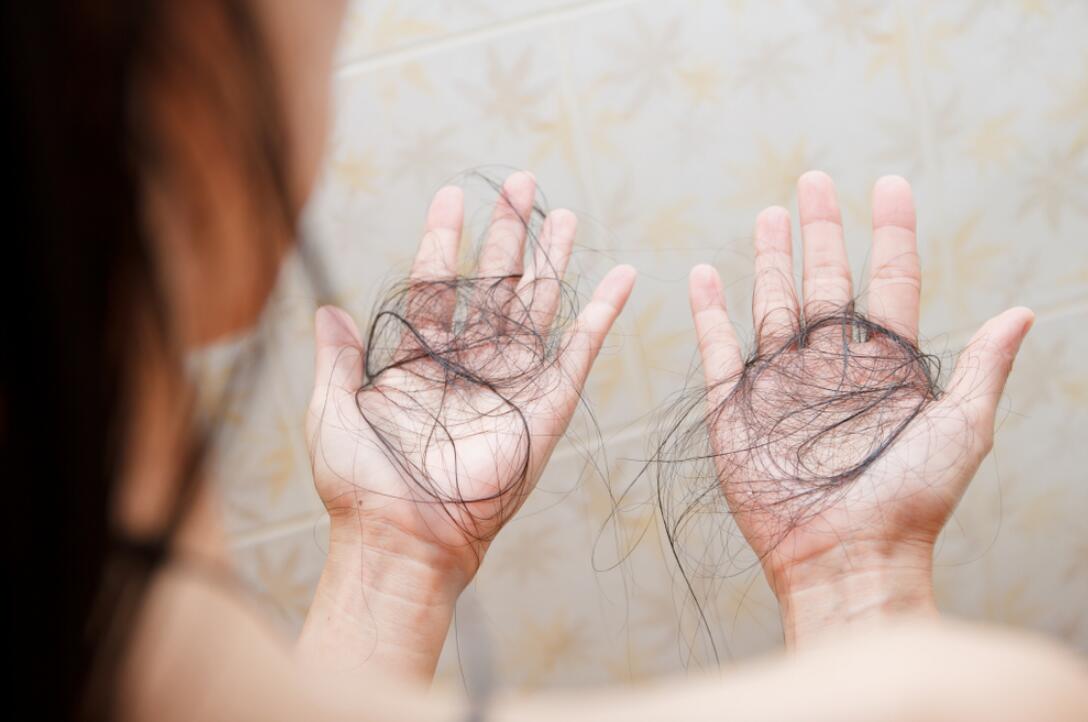
Over-the-counter (OTC) medications generally consist of topical creams, gels, solutions, or foams that you apply directly to the scalp. The most common products contain an ingredient called minoxidil. It’s typical to lose between 50 and 100 hairs a day, according to the American Academy of Dermatology (AAD). With about 100,000 hairs on your head, that small loss isn’t noticeable. New hair normally replaces the lost hair, but this doesn’t always happen.
Researchers still need to conduct larger studies into the effects of essential oils on hair growth to determine their effectiveness for other causes of hair loss. The review suggests that doctors sometimes use minoxidil for treating other causes of hair loss, such as from chemotherapy. The authors of the review state that more research into minoxidil could be beneficial. The underlying cause of hair loss affects what treatments will be most effective. Options include supplements, medicated ointments, and lifestyle changes.
They can also vary according to the pattern and location of hair loss. While most causes of hair loss are treatable, some may not be. Talk with your doctor about your concerns and the potential causes for your hair loss.


No comments:
Post a Comment